
When your boiler starts acting up, the first question that likely pops into your mind is: should I repair it or replace it altogether? This decision isn’t just about fixing a broken appliance—it impacts your comfort, energy bills, and long-term peace of mind. Whether you’re dealing with a flickering pilot light, rising energy costs, or just an outdated heating system, knowing the right path can save you time, stress, and money. In this guide, Michigan HVAC will walk you through everything you need to know to make the best choice for your home or business.
Signs It’s Time for a Boiler Repair
If your boiler is still relatively new and hasn’t given you much trouble before, a repair might be all you need. Here are some common signs that a simple repair may suffice:
- Minor leaks or strange noises
- Uneven heating in your home
- A spike in energy bills without any major hardware failures
Boiler maintenance and repair can be cost-effective and efficient, especially when handled by certified boiler technicians. Many HVAC boiler services offer 24/7 emergency boiler services, so you’re never left in the cold.
It’s always smart to work with local boiler contractors who understand your climate and your heating needs. They can perform a thorough assessment and let you know if a repair is the best route.
When a Boiler Replacement Makes More Sense
Sometimes, repairing your boiler is like putting a band-aid on a bigger problem. If your system is older than 15 years, you’re likely throwing money into a piece of equipment that just isn’t efficient anymore. This is when replacing your old boiler becomes the better investment.
A new boiler installation brings with it the latest in energy-efficient heating systems, meaning you’ll save on monthly bills while keeping your home comfortable. Not to mention, a boiler upgrade can drastically improve boiler system efficiency, especially if your current unit is outdated.
Understanding Boiler Lifespan and Efficiency
Most residential boiler systems are designed to last anywhere from 10 to 15 years with proper care. However, after that point, even the best units begin to show signs of wear and tear.
If your current boiler needs frequent repairs, struggles to maintain temperature, or your heating bills are through the roof, a heating system replacement might be in order. High-efficiency boiler models on the market today outperform older models by a long shot, especially in terms of fuel consumption and eco-friendliness.
Energy-Efficient Options Worth Considering
If you decide on a replacement, you’ll have several options to choose from, including gas boiler replacement and electric boiler installation. Gas models are often more powerful and efficient for larger homes or commercial boiler installation needs, while electric units are compact and easier to install in smaller residences.
Modern boilers are built with energy efficiency in mind. Many models now qualify as energy-efficient heating systems, which could make you eligible for rebates or incentives depending on your state.
Cost Comparison: Repair vs. Replacement
Let’s talk dollars and cents. Boiler replacement cost can vary significantly depending on the size of your property, the type of boiler, and installation complexities. On average, homeowners in Michigan can expect to spend between $3,500 to $8,000 for a complete system replacement.
Meanwhile, a typical boiler repair might range from $150 to $900, depending on the issue. So yes, repair seems cheaper upfront—but if you’re calling your HVAC tech every other month, those costs add up fast.
A good rule of thumb? If your repair cost is more than 50% of the price of a new boiler, you’re better off investing in a replacement.
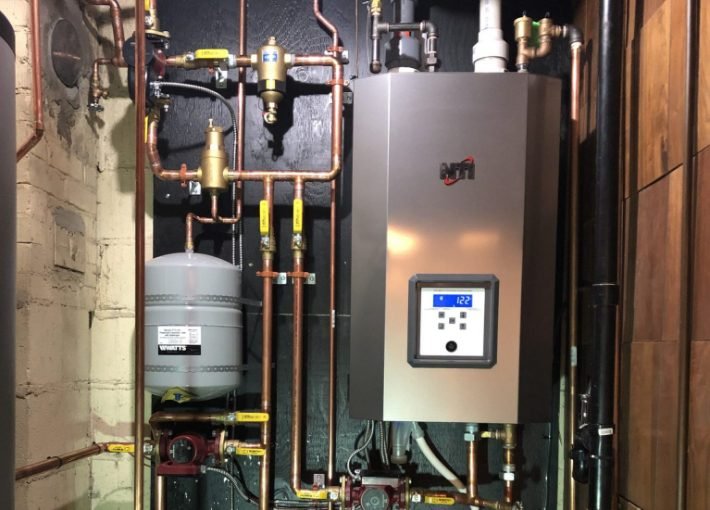
The Value of Professional Assessment
Whether it’s a small leak or a complete system breakdown, always get a professional opinion. Certified boiler technicians can run diagnostics on your central heating system and help you weigh your options clearly.
Trusted local boiler contractors bring valuable experience and insights. They won’t just push for a replacement if it’s unnecessary. Instead, they’ll walk you through pros, cons, and what best fits your situation.
Boiler Replacement for Residential vs. Commercial Properties
Residential boiler systems and commercial boiler installation projects differ in scale, complexity, and cost. Homeowners often prioritize comfort, efficiency, and affordability, while businesses may need to factor in regulatory compliance, large-scale heating needs, and operational downtime.
Commercial systems might also require customized solutions and ongoing HVAC boiler services to keep things running smoothly. No matter the size of the project, the key is understanding your specific needs before jumping into a boiler upgrade.
Planning Ahead:
Even the best boiler won’t last forever, but proper maintenance can stretch its lifespan significantly. Schedule annual inspections and cleanings to keep things running efficiently.
Replace worn-out parts promptly, and make sure you work with technicians who specialize in boiler maintenance and repair. Staying proactive helps you avoid costly emergency boiler services down the line.
FAQs
Q: How do I know if I need a new boiler installation? A: If your system is over 15 years old, frequently breaks down, or costs a lot to run, it’s time to consider replacing your old boiler.
Q: What’s the difference between a gas boiler replacement and electric boiler installation? A: Gas boilers are typically more powerful and ideal for larger spaces, while electric boilers are more compact and easier to install in smaller homes.
Q: Can I finance my boiler replacement? A: Yes! Many local boiler contractors offer financing options and payment plans to make installation more affordable.
Q: How long does a boiler replacement take? A: Usually 1 to 3 days depending on the size and type of system being installed.
Q: Will a high-efficiency boiler really lower my bills? A: Absolutely. High-efficiency models consume less fuel and operate more effectively, which means lower energy bills and a smaller carbon footprint.